 4fa80ce74c
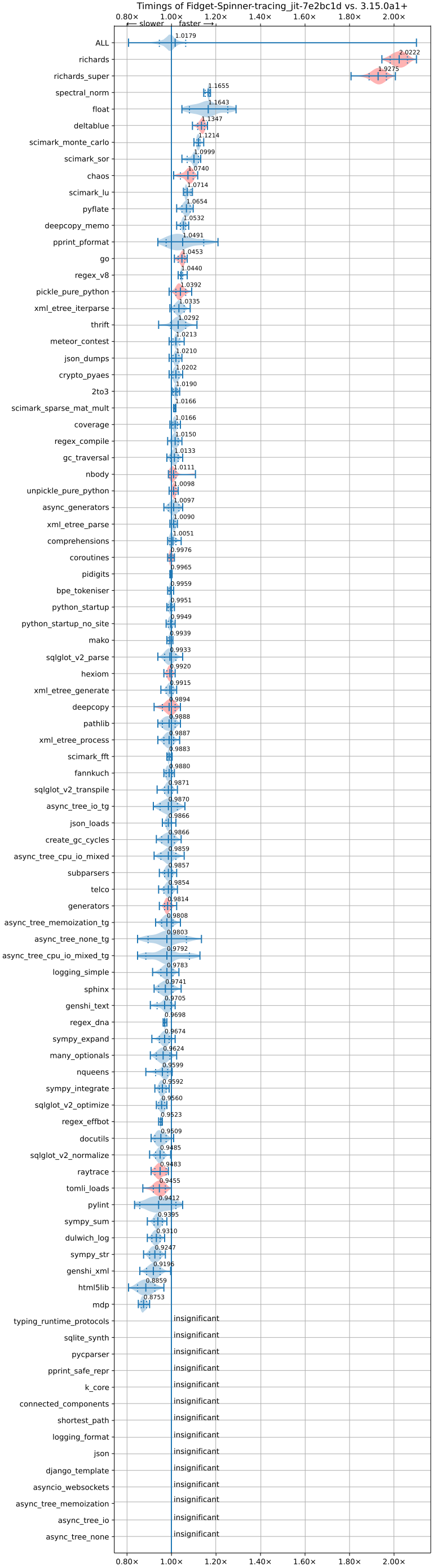
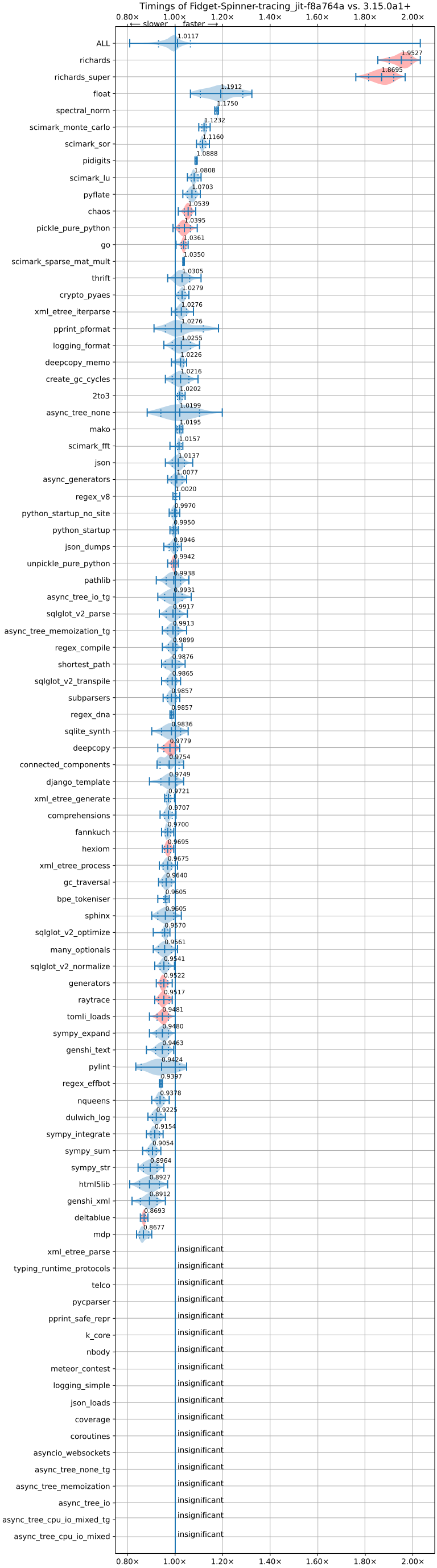
This PR changes the current JIT model from trace projection to trace recording. Benchmarking: better pyperformance (about 1.7% overall) geomean versus current https://raw.githubusercontent.com/facebookexperimental/free-threading-benchmarking/refs/heads/main/results/bm-20251108-3.15.0a1%2B-7e2bc1d-JIT/bm-20251108-vultr-x86_64-Fidget%252dSpinner-tracing_jit-3.15.0a1%2B-7e2bc1d-vs-base.svg, 100% faster Richards on the most improved benchmark versus the current JIT. Slowdown of about 10-15% on the worst benchmark versus the current JIT. **Note: the fastest version isn't the one merged, as it relies on fixing bugs in the specializing interpreter, which is left to another PR**. The speedup in the merged version is about 1.1%. https://raw.githubusercontent.com/facebookexperimental/free-threading-benchmarking/refs/heads/main/results/bm-20251112-3.15.0a1%2B-f8a764a-JIT/bm-20251112-vultr-x86_64-Fidget%252dSpinner-tracing_jit-3.15.0a1%2B-f8a764a-vs-base.svg

Stats: 50% more uops executed, 30% more traces entered the last time we ran them. It also suggests our trace lengths for a real trace recording JIT are too short, as a lot of trace too long aborts https://github.com/facebookexperimental/free-threading-benchmarking/blob/main/results/bm-20251023-3.15.0a1%2B-eb73378-CLANG%2CJIT/bm-20251023-vultr-x86_64-Fidget%252dSpinner-tracing_jit-3.15.0a1%2B-eb73378-pystats-vs-base.md .

This new JIT frontend is already able to record/execute significantly more instructions than the previous JIT frontend. In this PR, we are now able to record through custom dunders, simple object creation, generators, etc. None of these were done by the old JIT frontend. Some custom dunders uops were discovered to be broken as part of this work gh-140277

The optimizer stack space check is disabled, as it's no longer valid to deal with underflow.

Pros:
* Ignoring the generated tracer code as it's automatically created, this is only additional 1k lines of code. The maintenance burden is handled by the DSL and code generator.
* `optimizer.c` is now significantly simpler, as we don't have to do strange things to recover the bytecode from a trace.
* The new JIT frontend is able to handle a lot more control-flow than the old one.
* Tracing is very low overhead. We use the tail calling interpreter/computed goto interpreter to switch between tracing mode and non-tracing mode. I call this mechanism dual dispatch, as we have two dispatch tables dispatching to each other. Specialization is still enabled while tracing.
* Better handling of polymorphism. We leverage the specializing interpreter for this.

Cons:
* (For now) requires tail calling interpreter or computed gotos. This means no Windows JIT for now :(. Not to fret, tail calling is coming soon to Windows though https://github.com/python/cpython/pull/139962

Design:
* After each instruction, the `record_previous_inst` function/label is executed. This does as the name suggests.
* The tracing interpreter lowers bytecode to uops directly so that it can obtain "fresh" values at the point of lowering.
* The tracing version behaves nearly identical to the normal interpreter, in fact it even has specialization! This allows it to run without much of a slowdown when tracing. The actual cost of tracing is only a function call and writes to memory.
* The tracing interpreter uses the specializing interpreter's deopt to naturally form the side exit chains. This allows it to side exit chain effectively, without repeating much code. We force a re-specializing when tracing a deopt.
* The tracing interpreter can even handle goto errors/exceptions, but I chose to disable them for now as it's not tested.
* Because we do not share interpreter dispatch, there is should be no significant slowdown to the original specializing interpreter on tailcall and computed got with JIT disabled. With JIT enabled, there might be a slowdown in the form of the JIT trying to trace.
* Things that could have dynamic instruction pointer effects are guarded on. The guard deopts to a new instruction --- `_DYNAMIC_EXIT`.
712 lines
24 KiB
C
712 lines
24 KiB
C
#ifdef _Py_JIT
|
|
|
|
#include "Python.h"
|
|
|
|
#include "pycore_abstract.h"
|
|
#include "pycore_bitutils.h"
|
|
#include "pycore_call.h"
|
|
#include "pycore_ceval.h"
|
|
#include "pycore_critical_section.h"
|
|
#include "pycore_dict.h"
|
|
#include "pycore_floatobject.h"
|
|
#include "pycore_frame.h"
|
|
#include "pycore_function.h"
|
|
#include "pycore_interpframe.h"
|
|
#include "pycore_interpolation.h"
|
|
#include "pycore_intrinsics.h"
|
|
#include "pycore_list.h"
|
|
#include "pycore_long.h"
|
|
#include "pycore_opcode_metadata.h"
|
|
#include "pycore_opcode_utils.h"
|
|
#include "pycore_optimizer.h"
|
|
#include "pycore_pyerrors.h"
|
|
#include "pycore_setobject.h"
|
|
#include "pycore_sliceobject.h"
|
|
#include "pycore_template.h"
|
|
#include "pycore_tuple.h"
|
|
#include "pycore_unicodeobject.h"
|
|
|
|
#include "pycore_jit.h"
|
|
|
|
// Memory management stuff: ////////////////////////////////////////////////////
|
|
|
|
#ifndef MS_WINDOWS
|
|
#include <sys/mman.h>
|
|
#endif
|
|
|
|
static size_t
|
|
get_page_size(void)
|
|
{
|
|
#ifdef MS_WINDOWS
|
|
SYSTEM_INFO si;
|
|
GetSystemInfo(&si);
|
|
return si.dwPageSize;
|
|
#else
|
|
return sysconf(_SC_PAGESIZE);
|
|
#endif
|
|
}
|
|
|
|
static void
|
|
jit_error(const char *message)
|
|
{
|
|
#ifdef MS_WINDOWS
|
|
int hint = GetLastError();
|
|
#else
|
|
int hint = errno;
|
|
#endif
|
|
PyErr_Format(PyExc_RuntimeWarning, "JIT %s (%d)", message, hint);
|
|
}
|
|
|
|
static unsigned char *
|
|
jit_alloc(size_t size)
|
|
{
|
|
assert(size);
|
|
assert(size % get_page_size() == 0);
|
|
#ifdef MS_WINDOWS
|
|
int flags = MEM_COMMIT | MEM_RESERVE;
|
|
unsigned char *memory = VirtualAlloc(NULL, size, flags, PAGE_READWRITE);
|
|
int failed = memory == NULL;
|
|
#else
|
|
int flags = MAP_ANONYMOUS | MAP_PRIVATE;
|
|
int prot = PROT_READ | PROT_WRITE;
|
|
unsigned char *memory = mmap(NULL, size, prot, flags, -1, 0);
|
|
int failed = memory == MAP_FAILED;
|
|
#endif
|
|
if (failed) {
|
|
jit_error("unable to allocate memory");
|
|
return NULL;
|
|
}
|
|
return memory;
|
|
}
|
|
|
|
static int
|
|
jit_free(unsigned char *memory, size_t size)
|
|
{
|
|
assert(size);
|
|
assert(size % get_page_size() == 0);
|
|
#ifdef MS_WINDOWS
|
|
int failed = !VirtualFree(memory, 0, MEM_RELEASE);
|
|
#else
|
|
int failed = munmap(memory, size);
|
|
#endif
|
|
if (failed) {
|
|
jit_error("unable to free memory");
|
|
return -1;
|
|
}
|
|
OPT_STAT_ADD(jit_freed_memory_size, size);
|
|
return 0;
|
|
}
|
|
|
|
static int
|
|
mark_executable(unsigned char *memory, size_t size)
|
|
{
|
|
if (size == 0) {
|
|
return 0;
|
|
}
|
|
assert(size % get_page_size() == 0);
|
|
// Do NOT ever leave the memory writable! Also, don't forget to flush the
|
|
// i-cache (I cannot begin to tell you how horrible that is to debug):
|
|
#ifdef MS_WINDOWS
|
|
if (!FlushInstructionCache(GetCurrentProcess(), memory, size)) {
|
|
jit_error("unable to flush instruction cache");
|
|
return -1;
|
|
}
|
|
int old;
|
|
int failed = !VirtualProtect(memory, size, PAGE_EXECUTE_READ, &old);
|
|
#else
|
|
__builtin___clear_cache((char *)memory, (char *)memory + size);
|
|
int failed = mprotect(memory, size, PROT_EXEC | PROT_READ);
|
|
#endif
|
|
if (failed) {
|
|
jit_error("unable to protect executable memory");
|
|
return -1;
|
|
}
|
|
return 0;
|
|
}
|
|
|
|
// JIT compiler stuff: /////////////////////////////////////////////////////////
|
|
|
|
#define SYMBOL_MASK_WORDS 4
|
|
|
|
typedef uint32_t symbol_mask[SYMBOL_MASK_WORDS];
|
|
|
|
typedef struct {
|
|
unsigned char *mem;
|
|
symbol_mask mask;
|
|
size_t size;
|
|
} trampoline_state;
|
|
|
|
typedef struct {
|
|
trampoline_state trampolines;
|
|
uintptr_t instruction_starts[UOP_MAX_TRACE_LENGTH];
|
|
} jit_state;
|
|
|
|
// Warning! AArch64 requires you to get your hands dirty. These are your gloves:
|
|
|
|
// value[value_start : value_start + len]
|
|
static uint32_t
|
|
get_bits(uint64_t value, uint8_t value_start, uint8_t width)
|
|
{
|
|
assert(width <= 32);
|
|
return (value >> value_start) & ((1ULL << width) - 1);
|
|
}
|
|
|
|
// *loc[loc_start : loc_start + width] = value[value_start : value_start + width]
|
|
static void
|
|
set_bits(uint32_t *loc, uint8_t loc_start, uint64_t value, uint8_t value_start,
|
|
uint8_t width)
|
|
{
|
|
assert(loc_start + width <= 32);
|
|
uint32_t temp_val;
|
|
// Use memcpy to safely read the value, avoiding potential alignment
|
|
// issues and strict aliasing violations.
|
|
memcpy(&temp_val, loc, sizeof(temp_val));
|
|
// Clear the bits we're about to patch:
|
|
temp_val &= ~(((1ULL << width) - 1) << loc_start);
|
|
assert(get_bits(temp_val, loc_start, width) == 0);
|
|
// Patch the bits:
|
|
temp_val |= get_bits(value, value_start, width) << loc_start;
|
|
assert(get_bits(temp_val, loc_start, width) == get_bits(value, value_start, width));
|
|
// Safely write the modified value back to memory.
|
|
memcpy(loc, &temp_val, sizeof(temp_val));
|
|
}
|
|
|
|
// See https://developer.arm.com/documentation/ddi0602/2023-09/Base-Instructions
|
|
// for instruction encodings:
|
|
#define IS_AARCH64_ADD_OR_SUB(I) (((I) & 0x11C00000) == 0x11000000)
|
|
#define IS_AARCH64_ADRP(I) (((I) & 0x9F000000) == 0x90000000)
|
|
#define IS_AARCH64_BRANCH(I) (((I) & 0x7C000000) == 0x14000000)
|
|
#define IS_AARCH64_BRANCH_COND(I) (((I) & 0x7C000000) == 0x54000000)
|
|
#define IS_AARCH64_TEST_AND_BRANCH(I) (((I) & 0x7E000000) == 0x36000000)
|
|
#define IS_AARCH64_LDR_OR_STR(I) (((I) & 0x3B000000) == 0x39000000)
|
|
#define IS_AARCH64_MOV(I) (((I) & 0x9F800000) == 0x92800000)
|
|
|
|
// LLD is a great reference for performing relocations... just keep in
|
|
// mind that Tools/jit/build.py does filtering and preprocessing for us!
|
|
// Here's a good place to start for each platform:
|
|
// - aarch64-apple-darwin:
|
|
// - https://github.com/llvm/llvm-project/blob/main/lld/MachO/Arch/ARM64.cpp
|
|
// - https://github.com/llvm/llvm-project/blob/main/lld/MachO/Arch/ARM64Common.cpp
|
|
// - https://github.com/llvm/llvm-project/blob/main/lld/MachO/Arch/ARM64Common.h
|
|
// - aarch64-pc-windows-msvc:
|
|
// - https://github.com/llvm/llvm-project/blob/main/lld/COFF/Chunks.cpp
|
|
// - aarch64-unknown-linux-gnu:
|
|
// - https://github.com/llvm/llvm-project/blob/main/lld/ELF/Arch/AArch64.cpp
|
|
// - i686-pc-windows-msvc:
|
|
// - https://github.com/llvm/llvm-project/blob/main/lld/COFF/Chunks.cpp
|
|
// - x86_64-apple-darwin:
|
|
// - https://github.com/llvm/llvm-project/blob/main/lld/MachO/Arch/X86_64.cpp
|
|
// - x86_64-pc-windows-msvc:
|
|
// - https://github.com/llvm/llvm-project/blob/main/lld/COFF/Chunks.cpp
|
|
// - x86_64-unknown-linux-gnu:
|
|
// - https://github.com/llvm/llvm-project/blob/main/lld/ELF/Arch/X86_64.cpp
|
|
|
|
// Many of these patches are "relaxing", meaning that they can rewrite the
|
|
// code they're patching to be more efficient (like turning a 64-bit memory
|
|
// load into a 32-bit immediate load). These patches have an "x" in their name.
|
|
// Relative patches have an "r" in their name.
|
|
|
|
// 32-bit absolute address.
|
|
void
|
|
patch_32(unsigned char *location, uint64_t value)
|
|
{
|
|
// Check that we're not out of range of 32 unsigned bits:
|
|
assert(value < (1ULL << 32));
|
|
uint32_t final_value = (uint32_t)value;
|
|
memcpy(location, &final_value, sizeof(final_value));
|
|
}
|
|
|
|
// 32-bit relative address.
|
|
void
|
|
patch_32r(unsigned char *location, uint64_t value)
|
|
{
|
|
value -= (uintptr_t)location;
|
|
// Check that we're not out of range of 32 signed bits:
|
|
assert((int64_t)value >= -(1LL << 31));
|
|
assert((int64_t)value < (1LL << 31));
|
|
uint32_t final_value = (uint32_t)value;
|
|
memcpy(location, &final_value, sizeof(final_value));
|
|
}
|
|
|
|
// 64-bit absolute address.
|
|
void
|
|
patch_64(unsigned char *location, uint64_t value)
|
|
{
|
|
memcpy(location, &value, sizeof(value));
|
|
}
|
|
|
|
// 12-bit low part of an absolute address. Pairs nicely with patch_aarch64_21r
|
|
// (below).
|
|
void
|
|
patch_aarch64_12(unsigned char *location, uint64_t value)
|
|
{
|
|
uint32_t *loc32 = (uint32_t *)location;
|
|
assert(IS_AARCH64_LDR_OR_STR(*loc32) || IS_AARCH64_ADD_OR_SUB(*loc32));
|
|
// There might be an implicit shift encoded in the instruction:
|
|
uint8_t shift = 0;
|
|
if (IS_AARCH64_LDR_OR_STR(*loc32)) {
|
|
shift = (uint8_t)get_bits(*loc32, 30, 2);
|
|
// If both of these are set, the shift is supposed to be 4.
|
|
// That's pretty weird, and it's never actually been observed...
|
|
assert(get_bits(*loc32, 23, 1) == 0 || get_bits(*loc32, 26, 1) == 0);
|
|
}
|
|
value = get_bits(value, 0, 12);
|
|
assert(get_bits(value, 0, shift) == 0);
|
|
set_bits(loc32, 10, value, shift, 12);
|
|
}
|
|
|
|
// Relaxable 12-bit low part of an absolute address. Pairs nicely with
|
|
// patch_aarch64_21rx (below).
|
|
void
|
|
patch_aarch64_12x(unsigned char *location, uint64_t value)
|
|
{
|
|
// This can *only* be relaxed if it occurs immediately before a matching
|
|
// patch_aarch64_21rx. If that happens, the JIT build step will replace both
|
|
// calls with a single call to patch_aarch64_33rx. Otherwise, we end up
|
|
// here, and the instruction is patched normally:
|
|
patch_aarch64_12(location, value);
|
|
}
|
|
|
|
// 16-bit low part of an absolute address.
|
|
void
|
|
patch_aarch64_16a(unsigned char *location, uint64_t value)
|
|
{
|
|
uint32_t *loc32 = (uint32_t *)location;
|
|
assert(IS_AARCH64_MOV(*loc32));
|
|
// Check the implicit shift (this is "part 0 of 3"):
|
|
assert(get_bits(*loc32, 21, 2) == 0);
|
|
set_bits(loc32, 5, value, 0, 16);
|
|
}
|
|
|
|
// 16-bit middle-low part of an absolute address.
|
|
void
|
|
patch_aarch64_16b(unsigned char *location, uint64_t value)
|
|
{
|
|
uint32_t *loc32 = (uint32_t *)location;
|
|
assert(IS_AARCH64_MOV(*loc32));
|
|
// Check the implicit shift (this is "part 1 of 3"):
|
|
assert(get_bits(*loc32, 21, 2) == 1);
|
|
set_bits(loc32, 5, value, 16, 16);
|
|
}
|
|
|
|
// 16-bit middle-high part of an absolute address.
|
|
void
|
|
patch_aarch64_16c(unsigned char *location, uint64_t value)
|
|
{
|
|
uint32_t *loc32 = (uint32_t *)location;
|
|
assert(IS_AARCH64_MOV(*loc32));
|
|
// Check the implicit shift (this is "part 2 of 3"):
|
|
assert(get_bits(*loc32, 21, 2) == 2);
|
|
set_bits(loc32, 5, value, 32, 16);
|
|
}
|
|
|
|
// 16-bit high part of an absolute address.
|
|
void
|
|
patch_aarch64_16d(unsigned char *location, uint64_t value)
|
|
{
|
|
uint32_t *loc32 = (uint32_t *)location;
|
|
assert(IS_AARCH64_MOV(*loc32));
|
|
// Check the implicit shift (this is "part 3 of 3"):
|
|
assert(get_bits(*loc32, 21, 2) == 3);
|
|
set_bits(loc32, 5, value, 48, 16);
|
|
}
|
|
|
|
// 21-bit count of pages between this page and an absolute address's page... I
|
|
// know, I know, it's weird. Pairs nicely with patch_aarch64_12 (above).
|
|
void
|
|
patch_aarch64_21r(unsigned char *location, uint64_t value)
|
|
{
|
|
uint32_t *loc32 = (uint32_t *)location;
|
|
value = (value >> 12) - ((uintptr_t)location >> 12);
|
|
// Check that we're not out of range of 21 signed bits:
|
|
assert((int64_t)value >= -(1 << 20));
|
|
assert((int64_t)value < (1 << 20));
|
|
// value[0:2] goes in loc[29:31]:
|
|
set_bits(loc32, 29, value, 0, 2);
|
|
// value[2:21] goes in loc[5:26]:
|
|
set_bits(loc32, 5, value, 2, 19);
|
|
}
|
|
|
|
// Relaxable 21-bit count of pages between this page and an absolute address's
|
|
// page. Pairs nicely with patch_aarch64_12x (above).
|
|
void
|
|
patch_aarch64_21rx(unsigned char *location, uint64_t value)
|
|
{
|
|
// This can *only* be relaxed if it occurs immediately before a matching
|
|
// patch_aarch64_12x. If that happens, the JIT build step will replace both
|
|
// calls with a single call to patch_aarch64_33rx. Otherwise, we end up
|
|
// here, and the instruction is patched normally:
|
|
patch_aarch64_21r(location, value);
|
|
}
|
|
|
|
// 21-bit relative branch.
|
|
void
|
|
patch_aarch64_19r(unsigned char *location, uint64_t value)
|
|
{
|
|
uint32_t *loc32 = (uint32_t *)location;
|
|
assert(IS_AARCH64_BRANCH_COND(*loc32));
|
|
value -= (uintptr_t)location;
|
|
// Check that we're not out of range of 21 signed bits:
|
|
assert((int64_t)value >= -(1 << 20));
|
|
assert((int64_t)value < (1 << 20));
|
|
// Since instructions are 4-byte aligned, only use 19 bits:
|
|
assert(get_bits(value, 0, 2) == 0);
|
|
set_bits(loc32, 5, value, 2, 19);
|
|
}
|
|
|
|
// 28-bit relative branch.
|
|
void
|
|
patch_aarch64_26r(unsigned char *location, uint64_t value)
|
|
{
|
|
uint32_t *loc32 = (uint32_t *)location;
|
|
assert(IS_AARCH64_BRANCH(*loc32));
|
|
value -= (uintptr_t)location;
|
|
// Check that we're not out of range of 28 signed bits:
|
|
assert((int64_t)value >= -(1 << 27));
|
|
assert((int64_t)value < (1 << 27));
|
|
// Since instructions are 4-byte aligned, only use 26 bits:
|
|
assert(get_bits(value, 0, 2) == 0);
|
|
set_bits(loc32, 0, value, 2, 26);
|
|
}
|
|
|
|
// A pair of patch_aarch64_21rx and patch_aarch64_12x.
|
|
void
|
|
patch_aarch64_33rx(unsigned char *location, uint64_t value)
|
|
{
|
|
uint32_t *loc32 = (uint32_t *)location;
|
|
// Try to relax the pair of GOT loads into an immediate value:
|
|
assert(IS_AARCH64_ADRP(*loc32));
|
|
unsigned char reg = get_bits(loc32[0], 0, 5);
|
|
assert(IS_AARCH64_LDR_OR_STR(loc32[1]));
|
|
// There should be only one register involved:
|
|
assert(reg == get_bits(loc32[1], 0, 5)); // ldr's output register.
|
|
assert(reg == get_bits(loc32[1], 5, 5)); // ldr's input register.
|
|
uint64_t relaxed = *(uint64_t *)value;
|
|
if (relaxed < (1UL << 16)) {
|
|
// adrp reg, AAA; ldr reg, [reg + BBB] -> movz reg, XXX; nop
|
|
loc32[0] = 0xD2800000 | (get_bits(relaxed, 0, 16) << 5) | reg;
|
|
loc32[1] = 0xD503201F;
|
|
return;
|
|
}
|
|
if (relaxed < (1ULL << 32)) {
|
|
// adrp reg, AAA; ldr reg, [reg + BBB] -> movz reg, XXX; movk reg, YYY
|
|
loc32[0] = 0xD2800000 | (get_bits(relaxed, 0, 16) << 5) | reg;
|
|
loc32[1] = 0xF2A00000 | (get_bits(relaxed, 16, 16) << 5) | reg;
|
|
return;
|
|
}
|
|
relaxed = value - (uintptr_t)location;
|
|
if ((relaxed & 0x3) == 0 &&
|
|
(int64_t)relaxed >= -(1L << 19) &&
|
|
(int64_t)relaxed < (1L << 19))
|
|
{
|
|
// adrp reg, AAA; ldr reg, [reg + BBB] -> ldr reg, XXX; nop
|
|
loc32[0] = 0x58000000 | (get_bits(relaxed, 2, 19) << 5) | reg;
|
|
loc32[1] = 0xD503201F;
|
|
return;
|
|
}
|
|
// Couldn't do it. Just patch the two instructions normally:
|
|
patch_aarch64_21rx(location, value);
|
|
patch_aarch64_12x(location + 4, value);
|
|
}
|
|
|
|
// Relaxable 32-bit relative address.
|
|
void
|
|
patch_x86_64_32rx(unsigned char *location, uint64_t value)
|
|
{
|
|
uint8_t *loc8 = (uint8_t *)location;
|
|
// Try to relax the GOT load into an immediate value:
|
|
uint64_t relaxed;
|
|
memcpy(&relaxed, (void *)(value + 4), sizeof(relaxed));
|
|
relaxed -= 4;
|
|
|
|
if ((int64_t)relaxed - (int64_t)location >= -(1LL << 31) &&
|
|
(int64_t)relaxed - (int64_t)location + 1 < (1LL << 31))
|
|
{
|
|
if (loc8[-2] == 0x8B) {
|
|
// mov reg, dword ptr [rip + AAA] -> lea reg, [rip + XXX]
|
|
loc8[-2] = 0x8D;
|
|
value = relaxed;
|
|
}
|
|
else if (loc8[-2] == 0xFF && loc8[-1] == 0x15) {
|
|
// call qword ptr [rip + AAA] -> nop; call XXX
|
|
loc8[-2] = 0x90;
|
|
loc8[-1] = 0xE8;
|
|
value = relaxed;
|
|
}
|
|
else if (loc8[-2] == 0xFF && loc8[-1] == 0x25) {
|
|
// jmp qword ptr [rip + AAA] -> nop; jmp XXX
|
|
loc8[-2] = 0x90;
|
|
loc8[-1] = 0xE9;
|
|
value = relaxed;
|
|
}
|
|
}
|
|
patch_32r(location, value);
|
|
}
|
|
|
|
void patch_aarch64_trampoline(unsigned char *location, int ordinal, jit_state *state);
|
|
void patch_x86_64_trampoline(unsigned char *location, int ordinal, jit_state *state);
|
|
|
|
#include "jit_stencils.h"
|
|
|
|
#if defined(__aarch64__) || defined(_M_ARM64)
|
|
#define TRAMPOLINE_SIZE 16
|
|
#define DATA_ALIGN 8
|
|
#elif defined(__x86_64__) && defined(__APPLE__)
|
|
// LLVM 20 on macOS x86_64 debug builds: GOT entries may exceed ±2GB PC-relative
|
|
// range.
|
|
#define TRAMPOLINE_SIZE 16 // 14 bytes + 2 bytes padding for alignment
|
|
#define DATA_ALIGN 8
|
|
#else
|
|
#define TRAMPOLINE_SIZE 0
|
|
#define DATA_ALIGN 1
|
|
#endif
|
|
|
|
// Get the trampoline memory location for a given symbol ordinal.
|
|
static unsigned char *
|
|
get_trampoline_slot(int ordinal, jit_state *state)
|
|
{
|
|
const uint32_t symbol_mask = 1 << (ordinal % 32);
|
|
const uint32_t trampoline_mask = state->trampolines.mask[ordinal / 32];
|
|
assert(symbol_mask & trampoline_mask);
|
|
|
|
// Count the number of set bits in the trampoline mask lower than ordinal
|
|
int index = _Py_popcount32(trampoline_mask & (symbol_mask - 1));
|
|
for (int i = 0; i < ordinal / 32; i++) {
|
|
index += _Py_popcount32(state->trampolines.mask[i]);
|
|
}
|
|
|
|
unsigned char *trampoline = state->trampolines.mem + index * TRAMPOLINE_SIZE;
|
|
assert((size_t)(index + 1) * TRAMPOLINE_SIZE <= state->trampolines.size);
|
|
return trampoline;
|
|
}
|
|
|
|
// Generate and patch AArch64 trampolines. The symbols to jump to are stored
|
|
// in the jit_stencils.h in the symbols_map.
|
|
void
|
|
patch_aarch64_trampoline(unsigned char *location, int ordinal, jit_state *state)
|
|
{
|
|
|
|
uint64_t value = (uintptr_t)symbols_map[ordinal];
|
|
int64_t range = value - (uintptr_t)location;
|
|
|
|
// If we are in range of 28 signed bits, we patch the instruction with
|
|
// the address of the symbol.
|
|
if (range >= -(1 << 27) && range < (1 << 27)) {
|
|
patch_aarch64_26r(location, (uintptr_t)value);
|
|
return;
|
|
}
|
|
|
|
// Out of range - need a trampoline
|
|
uint32_t *p = (uint32_t *)get_trampoline_slot(ordinal, state);
|
|
|
|
|
|
/* Generate the trampoline
|
|
0: 58000048 ldr x8, 8
|
|
4: d61f0100 br x8
|
|
8: 00000000 // The next two words contain the 64-bit address to jump to.
|
|
c: 00000000
|
|
*/
|
|
p[0] = 0x58000048;
|
|
p[1] = 0xD61F0100;
|
|
p[2] = value & 0xffffffff;
|
|
p[3] = value >> 32;
|
|
|
|
patch_aarch64_26r(location, (uintptr_t)p);
|
|
}
|
|
|
|
// Generate and patch x86_64 trampolines.
|
|
void
|
|
patch_x86_64_trampoline(unsigned char *location, int ordinal, jit_state *state)
|
|
{
|
|
uint64_t value = (uintptr_t)symbols_map[ordinal];
|
|
int64_t range = (int64_t)value - 4 - (int64_t)location;
|
|
|
|
// If we are in range of 32 signed bits, we can patch directly
|
|
if (range >= -(1LL << 31) && range < (1LL << 31)) {
|
|
patch_32r(location, value - 4);
|
|
return;
|
|
}
|
|
|
|
// Out of range - need a trampoline
|
|
unsigned char *trampoline = get_trampoline_slot(ordinal, state);
|
|
|
|
/* Generate the trampoline (14 bytes, padded to 16):
|
|
0: ff 25 00 00 00 00 jmp *(%rip)
|
|
6: XX XX XX XX XX XX XX XX (64-bit target address)
|
|
|
|
Reference: https://wiki.osdev.org/X86-64_Instruction_Encoding#FF (JMP r/m64)
|
|
*/
|
|
trampoline[0] = 0xFF;
|
|
trampoline[1] = 0x25;
|
|
memset(trampoline + 2, 0, 4);
|
|
memcpy(trampoline + 6, &value, 8);
|
|
|
|
// Patch the call site to call the trampoline instead
|
|
patch_32r(location, (uintptr_t)trampoline - 4);
|
|
}
|
|
|
|
static void
|
|
combine_symbol_mask(const symbol_mask src, symbol_mask dest)
|
|
{
|
|
// Calculate the union of the trampolines required by each StencilGroup
|
|
for (size_t i = 0; i < SYMBOL_MASK_WORDS; i++) {
|
|
dest[i] |= src[i];
|
|
}
|
|
}
|
|
|
|
// Compiles executor in-place. Don't forget to call _PyJIT_Free later!
|
|
int
|
|
_PyJIT_Compile(_PyExecutorObject *executor, const _PyUOpInstruction trace[], size_t length)
|
|
{
|
|
const StencilGroup *group;
|
|
// Loop once to find the total compiled size:
|
|
size_t code_size = 0;
|
|
size_t data_size = 0;
|
|
jit_state state = {0};
|
|
for (size_t i = 0; i < length; i++) {
|
|
const _PyUOpInstruction *instruction = &trace[i];
|
|
group = &stencil_groups[instruction->opcode];
|
|
state.instruction_starts[i] = code_size;
|
|
code_size += group->code_size;
|
|
data_size += group->data_size;
|
|
combine_symbol_mask(group->trampoline_mask, state.trampolines.mask);
|
|
}
|
|
group = &stencil_groups[_FATAL_ERROR];
|
|
code_size += group->code_size;
|
|
data_size += group->data_size;
|
|
combine_symbol_mask(group->trampoline_mask, state.trampolines.mask);
|
|
// Calculate the size of the trampolines required by the whole trace
|
|
for (size_t i = 0; i < Py_ARRAY_LENGTH(state.trampolines.mask); i++) {
|
|
state.trampolines.size += _Py_popcount32(state.trampolines.mask[i]) * TRAMPOLINE_SIZE;
|
|
}
|
|
// Round up to the nearest page:
|
|
size_t page_size = get_page_size();
|
|
assert((page_size & (page_size - 1)) == 0);
|
|
size_t code_padding = DATA_ALIGN - ((code_size + state.trampolines.size) & (DATA_ALIGN - 1));
|
|
size_t padding = page_size - ((code_size + state.trampolines.size + code_padding + data_size) & (page_size - 1));
|
|
size_t total_size = code_size + state.trampolines.size + code_padding + data_size + padding;
|
|
unsigned char *memory = jit_alloc(total_size);
|
|
if (memory == NULL) {
|
|
return -1;
|
|
}
|
|
// Collect memory stats
|
|
OPT_STAT_ADD(jit_total_memory_size, total_size);
|
|
OPT_STAT_ADD(jit_code_size, code_size);
|
|
OPT_STAT_ADD(jit_trampoline_size, state.trampolines.size);
|
|
OPT_STAT_ADD(jit_data_size, data_size);
|
|
OPT_STAT_ADD(jit_padding_size, padding);
|
|
OPT_HIST(total_size, trace_total_memory_hist);
|
|
// Update the offsets of each instruction:
|
|
for (size_t i = 0; i < length; i++) {
|
|
state.instruction_starts[i] += (uintptr_t)memory;
|
|
}
|
|
// Loop again to emit the code:
|
|
unsigned char *code = memory;
|
|
state.trampolines.mem = memory + code_size;
|
|
unsigned char *data = memory + code_size + state.trampolines.size + code_padding;
|
|
assert(trace[0].opcode == _START_EXECUTOR || trace[0].opcode == _COLD_EXIT || trace[0].opcode == _COLD_DYNAMIC_EXIT);
|
|
for (size_t i = 0; i < length; i++) {
|
|
const _PyUOpInstruction *instruction = &trace[i];
|
|
group = &stencil_groups[instruction->opcode];
|
|
group->emit(code, data, executor, instruction, &state);
|
|
code += group->code_size;
|
|
data += group->data_size;
|
|
}
|
|
// Protect against accidental buffer overrun into data:
|
|
group = &stencil_groups[_FATAL_ERROR];
|
|
group->emit(code, data, executor, NULL, &state);
|
|
code += group->code_size;
|
|
data += group->data_size;
|
|
assert(code == memory + code_size);
|
|
assert(data == memory + code_size + state.trampolines.size + code_padding + data_size);
|
|
if (mark_executable(memory, total_size)) {
|
|
jit_free(memory, total_size);
|
|
return -1;
|
|
}
|
|
executor->jit_code = memory;
|
|
executor->jit_size = total_size;
|
|
return 0;
|
|
}
|
|
|
|
/* One-off compilation of the jit entry trampoline
|
|
* We compile this once only as it effectively a normal
|
|
* function, but we need to use the JIT because it needs
|
|
* to understand the jit-specific calling convention.
|
|
*/
|
|
static _PyJitEntryFuncPtr
|
|
compile_trampoline(void)
|
|
{
|
|
_PyExecutorObject dummy;
|
|
const StencilGroup *group;
|
|
size_t code_size = 0;
|
|
size_t data_size = 0;
|
|
jit_state state = {0};
|
|
group = &trampoline;
|
|
code_size += group->code_size;
|
|
data_size += group->data_size;
|
|
combine_symbol_mask(group->trampoline_mask, state.trampolines.mask);
|
|
// Round up to the nearest page:
|
|
size_t page_size = get_page_size();
|
|
assert((page_size & (page_size - 1)) == 0);
|
|
size_t code_padding = DATA_ALIGN - ((code_size + state.trampolines.size) & (DATA_ALIGN - 1));
|
|
size_t padding = page_size - ((code_size + state.trampolines.size + code_padding + data_size) & (page_size - 1));
|
|
size_t total_size = code_size + state.trampolines.size + code_padding + data_size + padding;
|
|
unsigned char *memory = jit_alloc(total_size);
|
|
if (memory == NULL) {
|
|
return NULL;
|
|
}
|
|
unsigned char *code = memory;
|
|
state.trampolines.mem = memory + code_size;
|
|
unsigned char *data = memory + code_size + state.trampolines.size + code_padding;
|
|
// Compile the shim, which handles converting between the native
|
|
// calling convention and the calling convention used by jitted code
|
|
// (which may be different for efficiency reasons).
|
|
group = &trampoline;
|
|
group->emit(code, data, &dummy, NULL, &state);
|
|
code += group->code_size;
|
|
data += group->data_size;
|
|
assert(code == memory + code_size);
|
|
assert(data == memory + code_size + state.trampolines.size + code_padding + data_size);
|
|
if (mark_executable(memory, total_size)) {
|
|
jit_free(memory, total_size);
|
|
return NULL;
|
|
}
|
|
return (_PyJitEntryFuncPtr)memory;
|
|
}
|
|
|
|
static PyMutex lazy_jit_mutex = { 0 };
|
|
|
|
_Py_CODEUNIT *
|
|
_Py_LazyJitTrampoline(
|
|
_PyExecutorObject *executor, _PyInterpreterFrame *frame, _PyStackRef *stack_pointer, PyThreadState *tstate
|
|
) {
|
|
PyMutex_Lock(&lazy_jit_mutex);
|
|
if (_Py_jit_entry == _Py_LazyJitTrampoline) {
|
|
_PyJitEntryFuncPtr trampoline = compile_trampoline();
|
|
if (trampoline == NULL) {
|
|
PyMutex_Unlock(&lazy_jit_mutex);
|
|
Py_FatalError("Cannot allocate core JIT code");
|
|
}
|
|
_Py_jit_entry = trampoline;
|
|
}
|
|
PyMutex_Unlock(&lazy_jit_mutex);
|
|
return _Py_jit_entry(executor, frame, stack_pointer, tstate);
|
|
}
|
|
|
|
void
|
|
_PyJIT_Free(_PyExecutorObject *executor)
|
|
{
|
|
unsigned char *memory = (unsigned char *)executor->jit_code;
|
|
size_t size = executor->jit_size;
|
|
if (memory) {
|
|
executor->jit_code = NULL;
|
|
executor->jit_size = 0;
|
|
if (jit_free(memory, size)) {
|
|
PyErr_FormatUnraisable("Exception ignored while "
|
|
"freeing JIT memory");
|
|
}
|
|
}
|
|
}
|
|
|
|
#endif // _Py_JIT
|